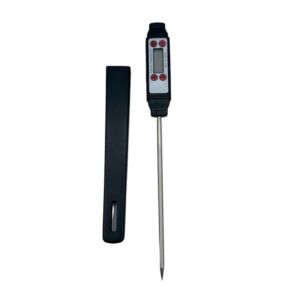
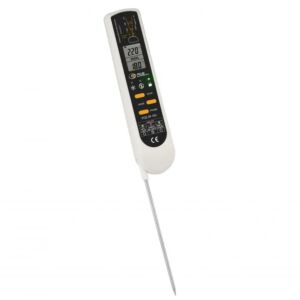
Penetration thermometers and refrigeration thermometers are professional instruments designed to check the internal temperature of food, liquids, soft materials, cold rooms, refrigerators, freezers, storage environments and temperature-controlled processes. Unlike infrared thermometers, which mainly measure surface temperature, penetration thermometers use a needle probe or an external sensor to reach the internal measuring point and provide a value that is more representative of the real thermal condition. This is essential in food processing, HACCP control, refrigeration, laboratories and quality control, where internal temperature determines safety, preservation, process stability and compliance with company procedures.
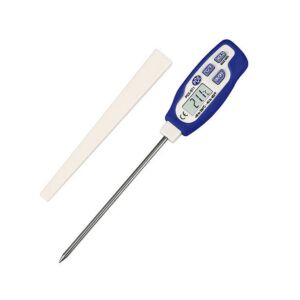
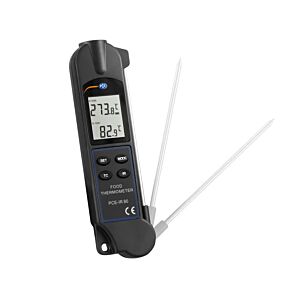
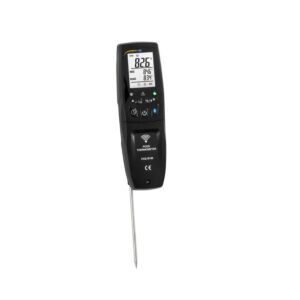
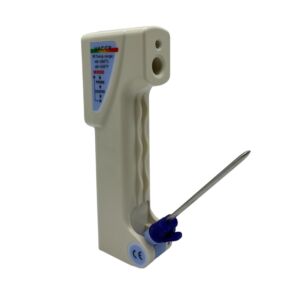
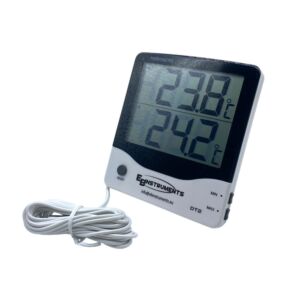
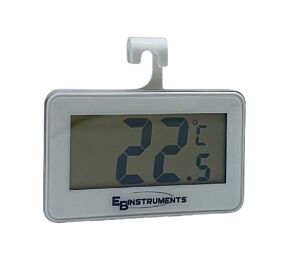
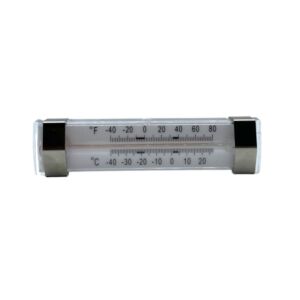
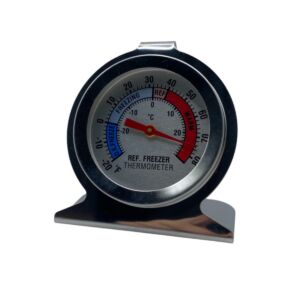
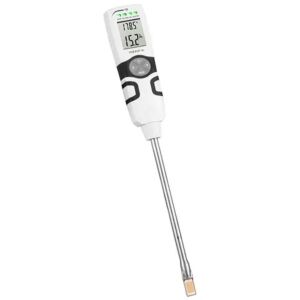
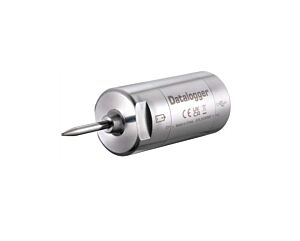
This category includes compact instruments for quick checks, pocket digital thermometers, models with foldable or separate probes, thermometers for refrigerators and freezers, devices with dual display for internal and external readings, analogue refrigeration thermometers, infrared instruments with penetration function, data loggers for continuous recording and systems dedicated to low-temperature monitoring. Each instrument answers a specific requirement: the penetration thermometer is ideal for measuring the core temperature of a product, the refrigeration thermometer checks the storage environment, the data logger documents temperature trends over time, while combined infrared and probe models allow both surface and internal measurements.
In food and HACCP applications, these instruments are used to check raw, cooked, frozen and refrigerated food, products during cooling, cooking processes, preservation processes, refrigerated counters, cold rooms, blast chillers, refrigerated transport and storage areas. Temperature measurement is one of the most important parameters for preventing deterioration, ensuring product quality and proving compliance with internal limits. A suitable thermometer allows operators to quickly verify whether a product is stored at the correct temperature, whether a cooling process is effective or whether a cold room maintains stable conditions during daily use.
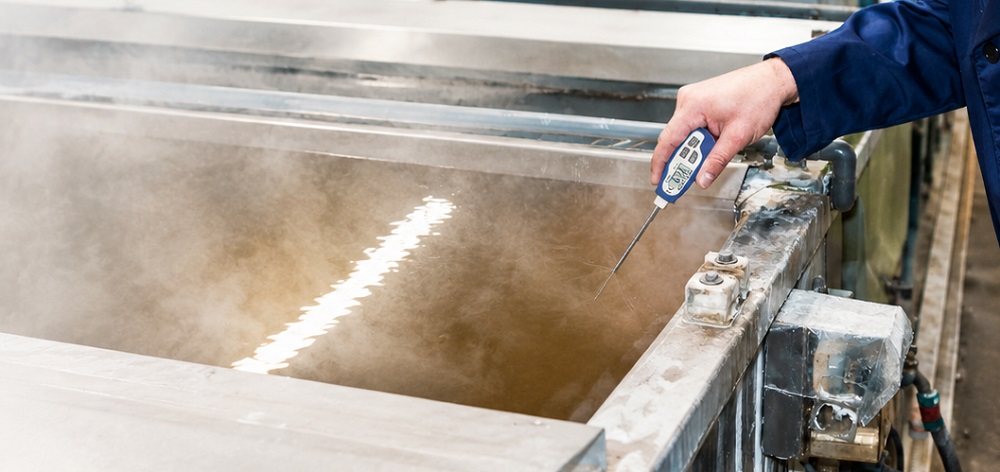
In industrial environments, laboratories and maintenance activities, penetration and refrigeration thermometers are also used to check technical liquids, thermostatic baths, processed materials, climate-controlled environments, test chambers, production processes and equipment requiring thermal stability. In these applications, temperature can influence viscosity, material expansion, reaction time, component stability and process reliability. Although these instruments do not directly measure dimensions, heights, transmission clearances or form and geometry errors, thermal control can help identify abnormal conditions that affect assemblies, fits, deformation, expansion and the behaviour of mechanical components.
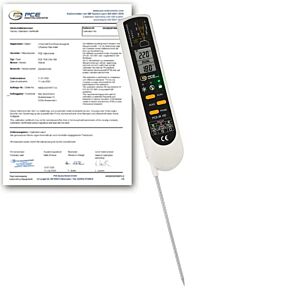
The selection of the correct instrument must start from the measuring range. For refrigerators, freezers and food preservation, instruments suitable for low temperatures are required; for cooking, hot processes or technical liquids, thermometers with a suitable upper range are necessary. Accuracy and resolution are essential when the value is used for quality control, process validation, HACCP checks or periodic records. A finer resolution makes it possible to read small variations, while good accuracy reduces the risk of incorrect decisions during critical checks. When required, ISO calibration or certification makes the measurement more documentable and suitable for technical or inspection procedures.
The probe type is another key factor. A thin penetration probe is suitable for food, soft products and internal checks; a longer probe makes it possible to reach deeper points or larger containers; an external probe with cable is useful for refrigerators, freezers, cold rooms and environments where the display must remain visible outside the measuring area. In refrigeration models, useful functions include min/max memory, alarms, dual sensors, large display, humidity protection and continuous reading. In food applications, ease of cleaning, probe robustness, response time and practical handling during repeated checks are also important.
To obtain reliable measurements, the probe must be inserted into the correct point, the value must be allowed to stabilise and a superficial reading should not be used when internal temperature is required. In food products, the probe should reach the core or the most representative point; in liquids, it is useful to stir or measure in a homogeneous area; in refrigerators and freezers, operators must consider that temperature can vary between the upper area, lower area, door, back wall and the zone near the evaporator. For periodic checks, it is advisable to repeat measurements under the same conditions, record values and verify any deviations from internal standards.
Refrigeration thermometers are particularly suitable for companies that need to check cold rooms, industrial refrigerators, freezers, refrigerated counters, temperature-controlled transport and warehouses. Analogue models provide simple and immediate reading, while digital versions offer better readability, min/max functions, internal and external probes and more precise control. Temperature data loggers are the correct choice when a single point measurement is not sufficient and continuous recording is required to verify temperature trends over time, document the cold chain and check whether set thresholds have been exceeded.
Penetration thermometers are essential instruments when internal temperature is more important than surface temperature. They are used by technicians, quality managers, laboratories, food companies, professional catering, industrial production, maintenance operators and professionals who need fast but reliable checks. In more advanced models, the combination of infrared and probe measurement allows a first non-contact check followed by confirmation with an internal measurement. This solution is particularly useful in HACCP inspections, professional kitchens, food departments, refrigerated logistics and all processes where speed and reliability must work together.
The Tadaah Penetration and Refrigeration Thermometers category is designed to provide professional instruments for companies, technicians, engineers, laboratories, maintenance operators, quality managers and professionals who need to measure, control and document temperature in a practical and repeatable way. Tadaah selects instruments suitable for point checks, refrigeration, preservation, internal product verification and continuous monitoring, offering solutions that support both purchasing decisions and technical consultation. Choosing the correct thermometer improves process safety, reduces control errors and provides more reliable data for daily measurement and maintenance activities.