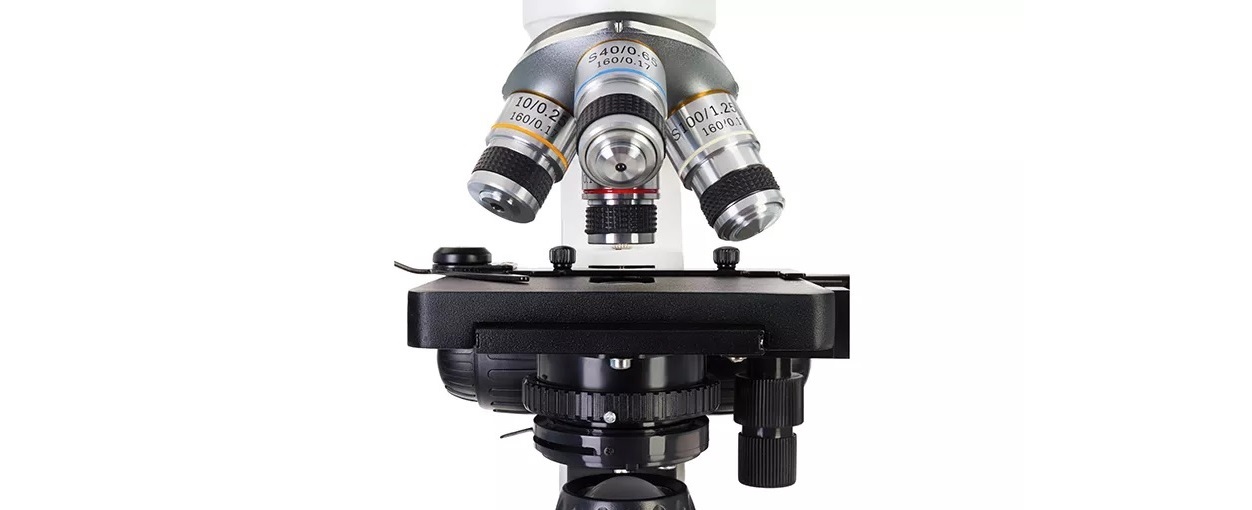
The Microscopes category includes professional instruments designed to magnify, inspect, analyse and document technical details of components, materials, samples, machined surfaces, electronic boards, tools, moulds, mechanical parts, welds, coatings, engravings, edges, holes, threads and microdefects. Microscopes are used when the human eye is not sufficient to evaluate a surface, defect, finish, fit or small part with adequate accuracy. In laboratories, quality control and production, these instruments turn a simple visual check into a more reliable, repeatable and documentable technical inspection.
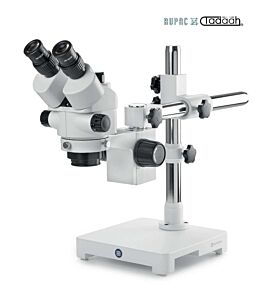
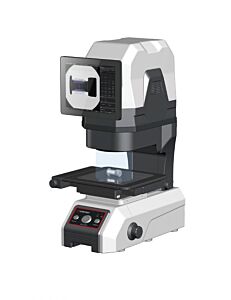
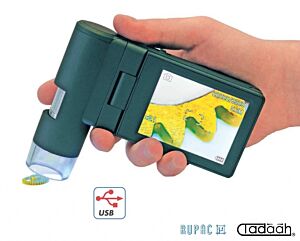
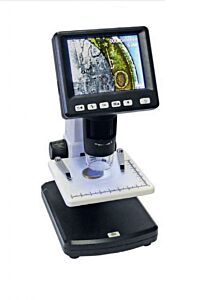
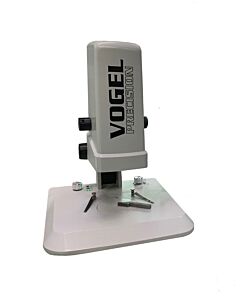
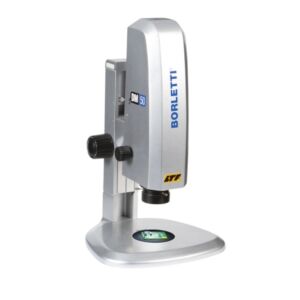
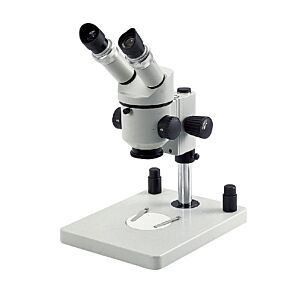
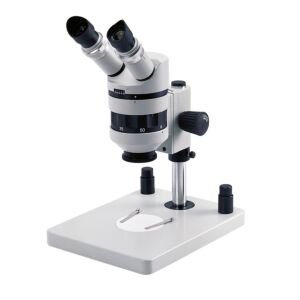
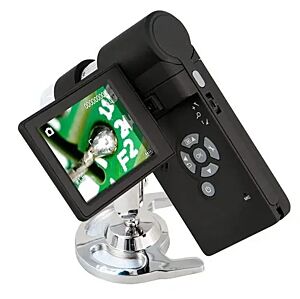
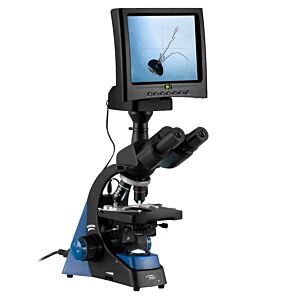
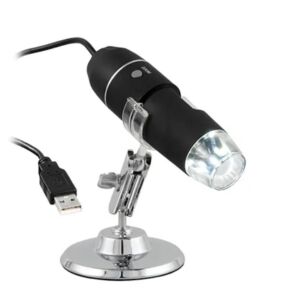
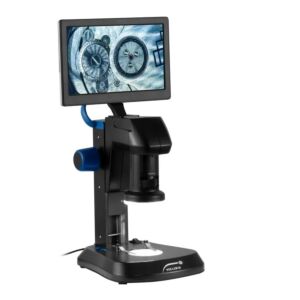
Microscopes in this category may be binocular or trinocular stereomicroscopes, portable digital microscopes, USB microscopes, microscopes with integrated display, video microscopes, optical zoom systems, LED illumination instruments, adjustable stands or optical measuring machines, including manual, motorised and 3D multisensor systems. Each type meets a different need. A stereomicroscope is very useful for observing three-dimensional components, surfaces, small assemblies and mechanical parts while maintaining depth of field and comfortable vision. A digital microscope allows the image to be displayed on screen, photos or videos to be captured and inspections to be documented. USB microscopes are practical for quick inspections, maintenance, electronics and technical workstations. Optical measuring machines are suitable when observation must be combined with dimensional measurements, coordinates, profiles, distances, radii, angles and geometries.
In industrial quality control, microscopes are used to inspect machining operations, ground, turned, milled, drilled or threaded surfaces, cutting edges, tools, inserts, moulds, plastic components, small parts, electronic boards, welds, coatings and precision components. A very small surface defect can create major problems during component use. A burr can interfere with a fit, a crack can anticipate failure, a scratch can compromise sealing, contamination can alter a measurement, and a damaged edge can worsen assembly or reduce part life. A microscope allows these signals to be identified before they become rejects, claims or failures.
In electronics, microscopes are essential for checking solder joints, tracks, microcomponents, connectors, residues, oxidation, breakages, solder bridges and assembly defects. In mechanical departments they are used to analyse tool wear, surface finish, microburrs, threads, hole defects, fractures, chipping and the condition of reference surfaces. In material laboratories they can be used to observe samples, sections, coatings, inclusions, porosity, surface layers and local defects. In maintenance, they help document wear, friction, damage, contact marks and contamination.
The correct microscope must be selected according to magnification, resolution, field of view, working distance, depth of field, illumination, stand stability, sample type, image acquisition requirements, software connection, ergonomics and required precision level. Magnification allows the detail to be seen larger, but it is not the only important parameter. Resolution indicates the instrument’s ability to distinguish small and close details. A highly magnified but unclear image does not provide reliable inspection. For this reason, it is often preferable to choose an instrument with stable optics, good lighting, precise focusing and a field of view suitable for the real application.
Inspection accuracy also depends on the method of use. The sample must be clean, stable and correctly positioned. Focusing must be adjusted carefully and lighting must match the surface being observed. A glossy surface can create reflections, a dark surface may require more light, a transparent material may need different contrast, and a rough surface may require side lighting to highlight scratches, porosity or relief. In professional inspections, repeatable conditions should be maintained, especially when comparing samples, batches or results before and after machining.
Optical zoom microscopes are particularly useful when it is necessary to move quickly from a general view of the component to a localised detail. The ability to vary magnification without constantly changing optics or settings allows the technician to follow the defect, analyse the surface and evaluate the surrounding area. Trinocular models are suitable when a camera or image acquisition system must be connected while maintaining direct observation. Portable digital microscopes are practical for quick checks on installed parts, boards, surfaces, tools and components that cannot be easily moved.
Optical measuring machines and 3D multisensor systems represent a more advanced solution for dimensional control. These instruments allow not only observation but also measurement of geometries, profiles, positions, distances, radii, diameters, angles, widths, heights and complex features. They are useful for quality control, metrology, precision production, validation of machined parts, moulds, plastic components, fine mechanics and electronics. When measurement must be traceable and repeatable, machine stability, software, movement, illumination and correct part preparation become decisive.
The connection with heights, transmission backlash, form errors and geometry is very important. A microscope is not only used to see an aesthetic defect; it can also help interpret functional problems. Excessive play in a transmission can leave impact marks, micro-impressions, localised wear or scratches. A form error can generate uneven contact, burrs, polished areas, deformation or wear on one side only. A height difference between two surfaces can be identified by observing edges, discontinuities, seating areas, shadows, contact marks and wear distribution. In a thread, hole or fit, magnified observation can reveal deformation, tearing, residues, local ovalisation or machining errors.
In machine tools and precision mechanics, microscopes are useful for analysing cutting tools, inserts, cutting edges, microfractures, coating wear, chipping, workpiece finish and chip quality. A worn cutting edge can generate form errors, high roughness, burrs, overheating and dimensional instability. A contaminated support surface can modify dimensions and parallelism. A component with burrs or residues can alter clamping, create play or prevent correct fitting. Optical inspection therefore connects the visible defect with the real behaviour of the process.
In preventive maintenance, microscopes help identify early signs of wear, oxidation, contamination, damage, rubbing, microcracks or surface degradation. This allows action to be taken before the component fails or before a machine begins to produce defects. In corrective maintenance, magnified observation helps analyse the cause of a failure, distinguishing for example a material defect from an assembly problem, wear from insufficient lubrication, overload fracture from contamination damage.
To obtain useful results, the purpose of observation should always be defined. If the goal is to check a burr, the edge must be observed with suitable light. If an electronic solder joint is being checked, magnification, depth of field and stable illumination are required. If a mechanical surface is being analysed, several areas of the part may need to be compared. If a defect must be documented for a supplier or customer, an instrument with image acquisition is preferable and photos should be saved with clear references. If dimensional measurements must be performed, optical measuring instruments or calibrated systems should be used, not only an observation microscope.
Tadaah presents the Microscopes category as a technical reference for companies, technicians, engineers, maintenance specialists, laboratories and quality departments that need to observe, magnify, inspect and document technical details with professional instruments. Correct selection of stereomicroscopes, digital microscopes, USB microscopes, video microscopes and optical measuring machines helps improve quality control, fault diagnosis, preventive maintenance, surface analysis, component verification, technical documentation and reduction of non-conformities. To select the most suitable product, magnification, resolution, field of view, working distance, illumination, stability, software, image acquisition, required precision and real operating conditions should be evaluated.