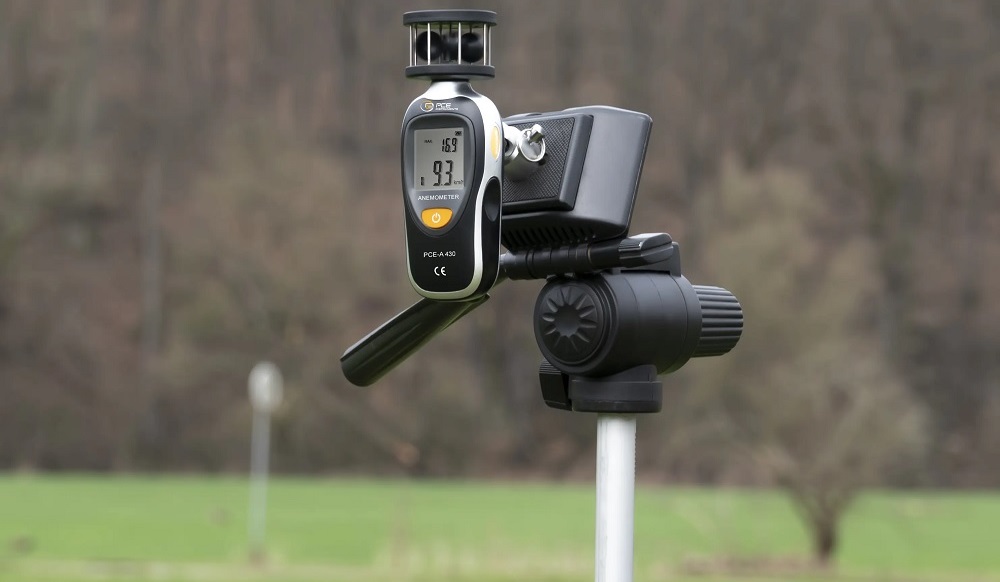
The Environmental and Physical Measurements category includes professional instruments designed for monitoring, checking and recording the main environmental, climatic, physical and operating parameters used in industrial, technical and laboratory environments. These instruments are used to measure values such as temperature, relative humidity, dew point, atmospheric pressure, air velocity, airflow, illuminance, noise, vibration, air quality, material moisture, microclimatic conditions and physical variations that may affect production processes, workplaces, technical systems, machinery and quality control procedures. Environmental and physical measuring instruments are used whenever it is necessary to know the real operating conditions of a room, production department, laboratory or technical installation. In many industrial applications, even a small change in temperature, humidity or pressure can affect material dimensional stability, machining quality, component preservation, meas…
-

VOGEL 009.600 SERIES 7 SPECIMENS FOR SHORE "A" HARDNESS TESTERS WITH NOMINAL HARDNESSES 34-91
€162.00
(Incl. Tax: €197.64) -
VOGEL 009.601 SERIES 3 SPECIMENS FOR SHORE "D" HARDNESS TESTERS WITH NOMINAL HARDNESSES 28 - 42 - 83
€108.00
(Incl. Tax: €131.76) -
-
-
-
-
-
-
-
-
-
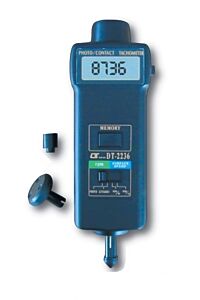
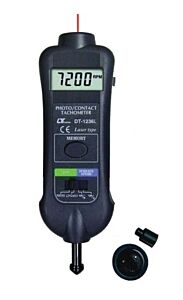
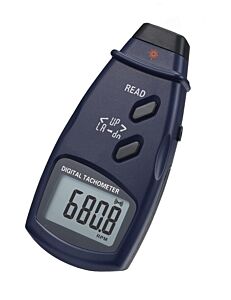
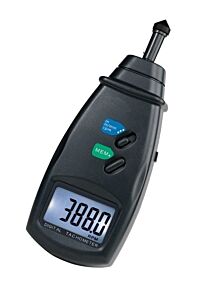
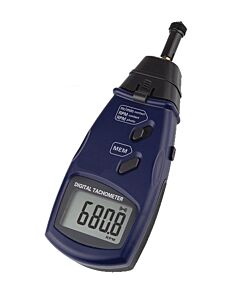
VOGEL 947.601 DIGITAL CONTACT TACHOMETER TRIPLE FUNCTION WITH LASER POINTER
€317.00
(Incl. Tax: €386.74) -
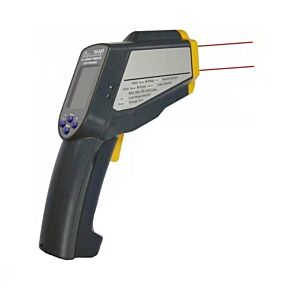
VOGEL 960.201 Precise and compact dual-laser infrared thermometer, measuring range -30°C to 1000°C
€363.00
(Incl. Tax: €442.86) -
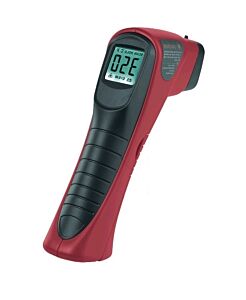
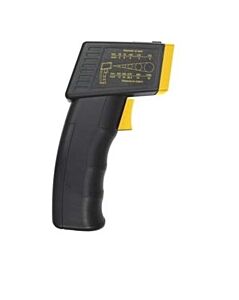
VOGEL 960.301 Compact infrared thermometer with laser pointer, auto data hold, backlight and 9V battery included
€130.00
(Incl. Tax: €158.60) -
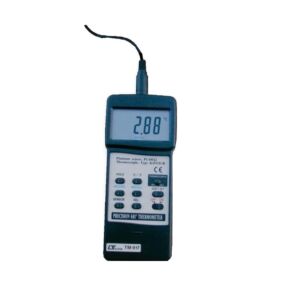
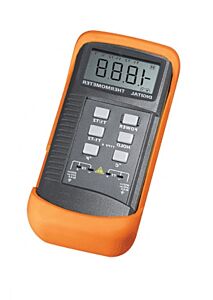
VOGEL 963.916 Dual input thermometer for K probes Type TM916 Lutron - Measuring range -200°C to 1,370°C
€206.00
(Incl. Tax: €251.32) -
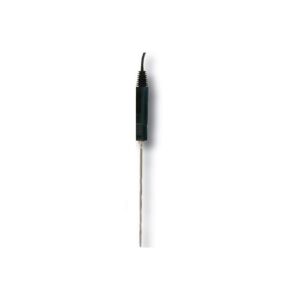
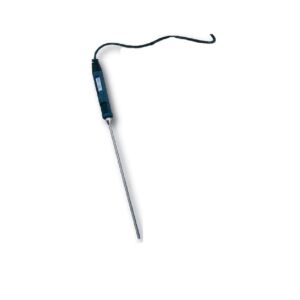
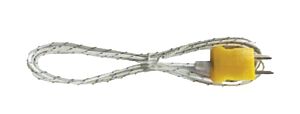
VOGEL 963.002 Type ‘K’ probe Standard for digital thermometers - Measuring range -50°C to 900°C
€88.00
(Incl. Tax: €107.36) -
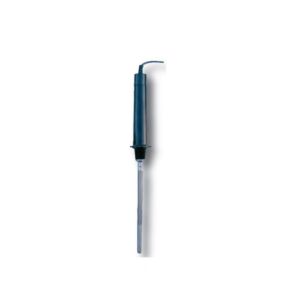
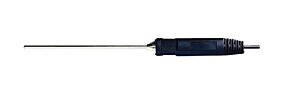
VOGEL 963.003 High-temperature probe type ‘K’ - Measuring range -50°C to 1200°C
€132.00
(Incl. Tax: €161.04) -
-
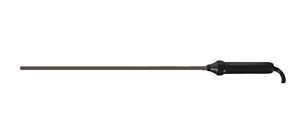
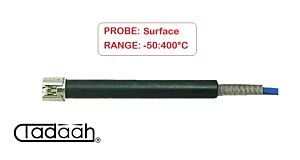
VOGEL 964.100 Precision Pt 100 OHM (Platinum) probe for digital thermometers with a measuring range of -50° to 400°C
€174.00
(Incl. Tax: €212.28) -
VOGEL 965.901 4-channel thermometer for K/J/T/E/R/S and Pt 100 Ohm probes - Measuring range -100°C to 1,300°C
€254.00
(Incl. Tax: €309.88) -
-
-
-
-
-
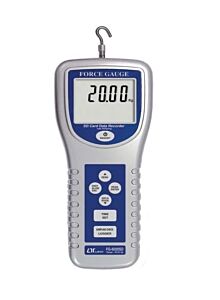
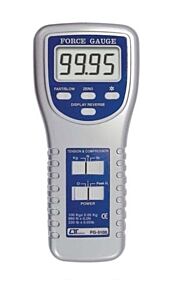
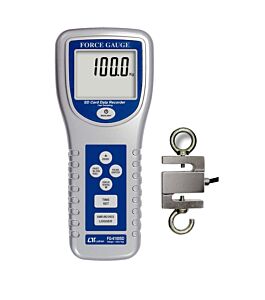
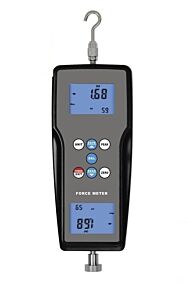
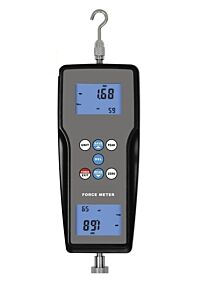
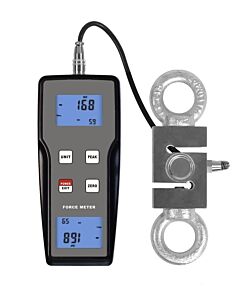
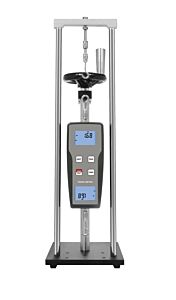
VOGEL 970.500 Digital dynamometer force gauge traction/thrust 100Kg - Lutron FG-6100SD model
€585.00
(Incl. Tax: €713.70) -
-
-
-
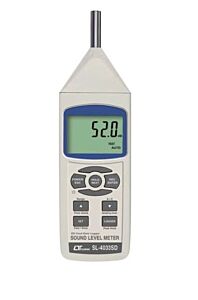
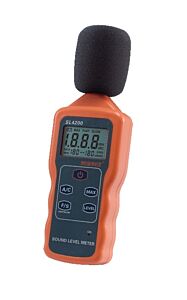
VOGEL 980.601 Class I digital sound level meter with A/C weighting, 8 GB micro SD, RS232/USB and 0.1 dB resolution
€423.00
(Incl. Tax: €516.06) -
-
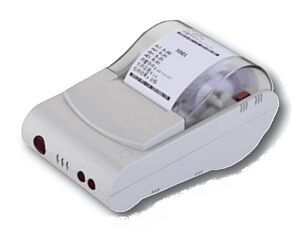
VOGEL 946.505 Mini thermal printer - chemical paper - suitable for Glossimeter 946.501
€125.00
(Incl. Tax: €152.50) -
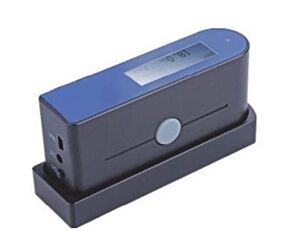
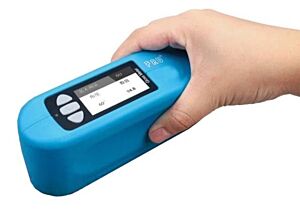
VOGEL 946.531 Gloss meter for the gloss of paints and metals 20°- 60°- 85° USB and SOFTWARE
€1,286.00
(Incl. Tax: €1,568.92) -
-
-
-
-
-
-
-
-
-
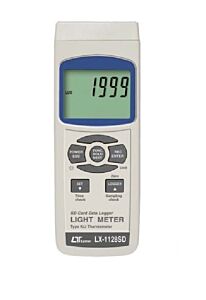
VOGEL 967.701 Luxumeter - SD card - K probe input for temperature measurements
€175.00
(Incl. Tax: €213.50)




Loading more products...
You have reached the end of the list.
Unable to load more products.