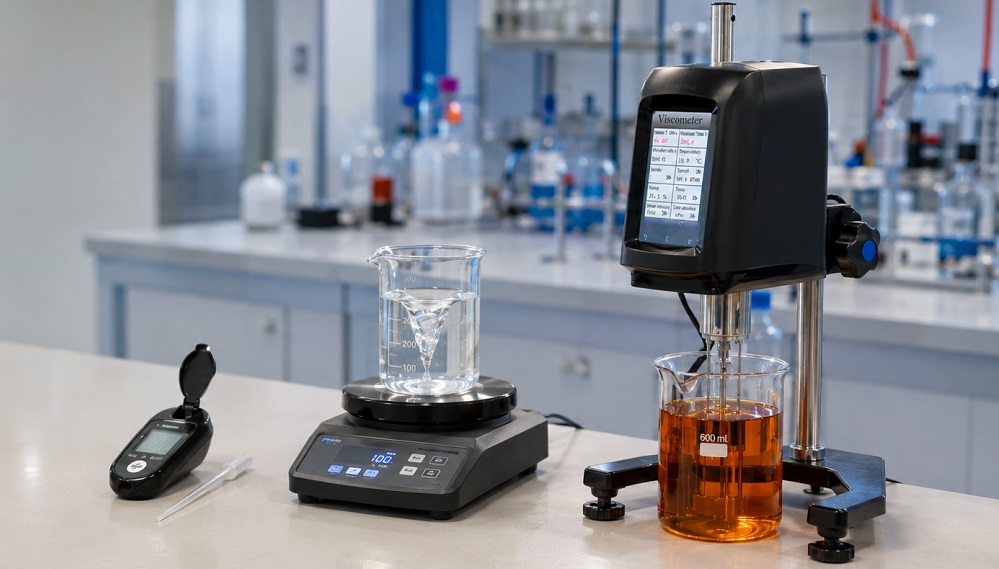
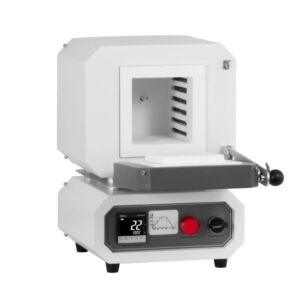
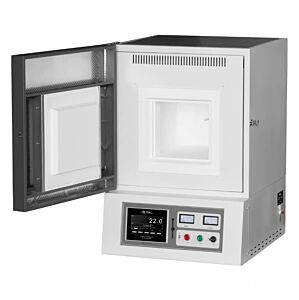
The Substances category includes professional instruments designed for the analysis, preparation, measurement and control of liquids, solutions, food products, samples, soils, viscous materials, reagents, mixtures and substances used in laboratories or industrial processes. This macro-category includes stirrers, food analysers, luminometers, soil pH meters, refractometers, laboratory instruments and viscometers, devices designed to verify physical, chemical, optical, hygienic and functional parameters that directly affect product quality, process stability and the reliability of inspections.
Substance measurement instruments are used whenever it is necessary to understand the real behaviour of a sample and not simply observe its external appearance. A solution may appear homogeneous but may not be properly mixed. A food product may look compliant but require checks on concentration, quality, freshness or contamination. A soil may not be suitable for cultivation if pH or moisture is not correct. A fluid may change its behaviour according to temperature, viscosity, mixing, concentration or composition. An environment or surface may appear clean but require rapid checks with specific instruments such as luminometers. Measurement therefore makes it possible to move from visual or empirical evaluation to measurable, comparable and documentable technical data.
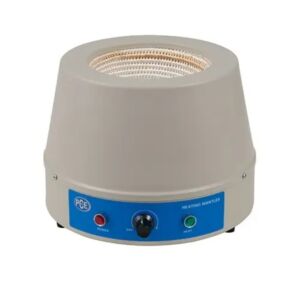
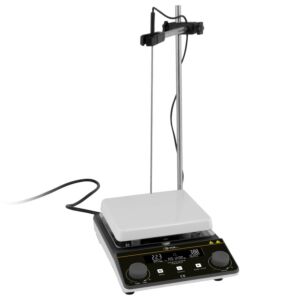
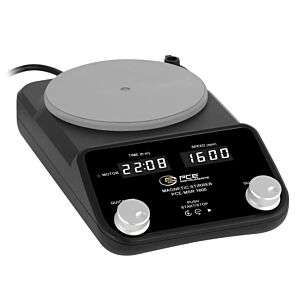
Stirrers are used to mix, homogenise and keep solutions, reagents, liquids, suspensions and laboratory samples uniform. They can be used in chemical, food, environmental, pharmaceutical, educational, industrial and quality control laboratories. Correct stirring is essential because many analytical results depend on sample homogeneity. If a solution is not properly mixed, the measured value may not represent the real sample. Magnetic, mechanical or laboratory stirrers allow speed, mixing time, temperature and process stability to be controlled, reducing errors and improving test repeatability.
Food analysers are designed for the technical control of raw materials, semi-finished products and finished goods in the food sector. They can be used to verify parameters related to quality, preservation, concentration, composition, safety and product compliance. In food applications, correct measurement is essential because small variations can influence taste, texture, stability, shelf life, fermentation, ripening, process control and batch acceptance. These instruments are useful for internal laboratories, quality departments, artisan and industrial production, farms, food processors and technicians who need to check products quickly and repeatedly.
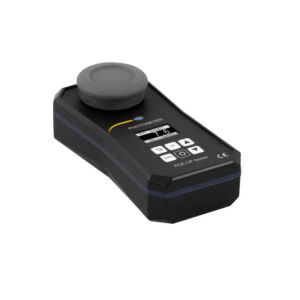
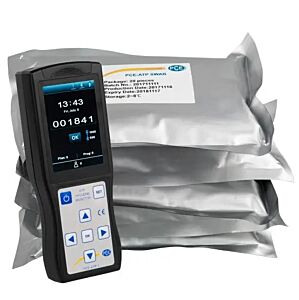
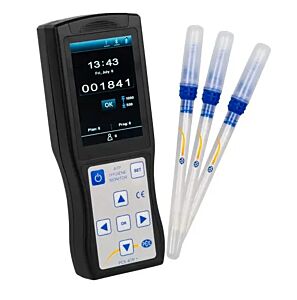
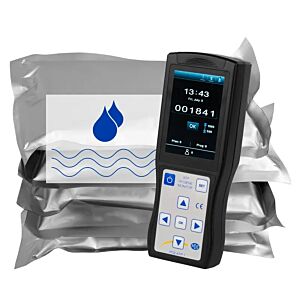
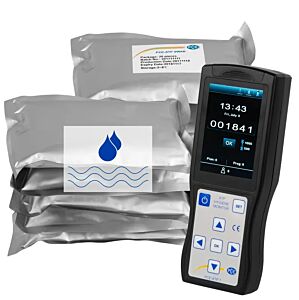
Luminometers are used to rapidly check cleanliness and hygiene of surfaces, equipment, environments or samples through methods based on bioluminescence or indicators associated with the presence of organic residues. They are particularly useful in the food, healthcare, pharmaceutical, cosmetic, catering, laboratory and controlled environment sectors where cleaning must be verified quickly. A luminometer does not necessarily replace complete microbiological analysis, but provides an immediate operational check to determine whether a surface or sanitation process requires further attention. In preventive maintenance and quality control, this allows action to be taken before a non-conformity becomes a production or hygiene problem.
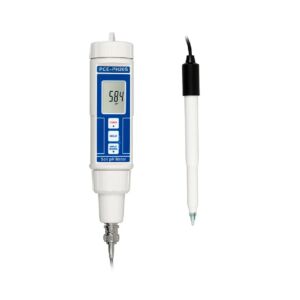
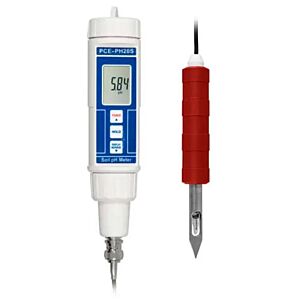
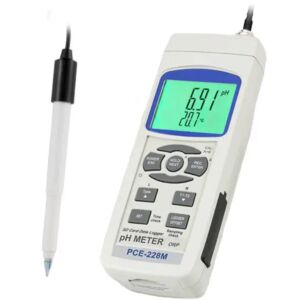
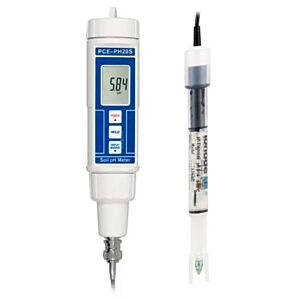
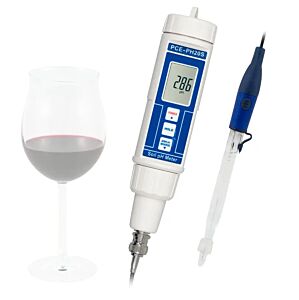
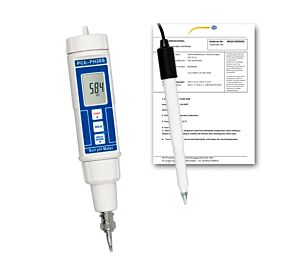
Soil pH meters measure soil acidity or alkalinity and, in some models, moisture, temperature or other related parameters. They are useful for agriculture, greenhouses, nurseries, environmental laboratories, landscaping technicians, soil control and applications where soil behaviour affects growth, nutrient absorption, fertilisation and crop quality. Soil pH affects the availability of nutrients and can significantly influence final results. Correct measurement allows more targeted interventions, avoiding approximate corrections or unnecessary treatments.
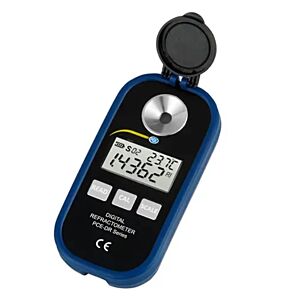
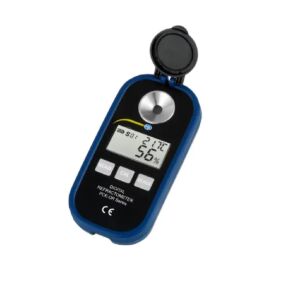
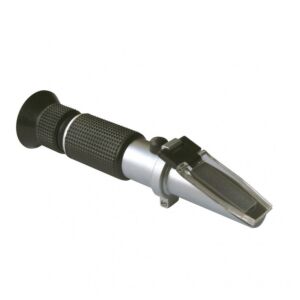
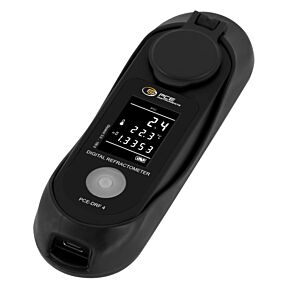
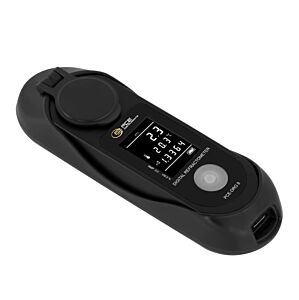
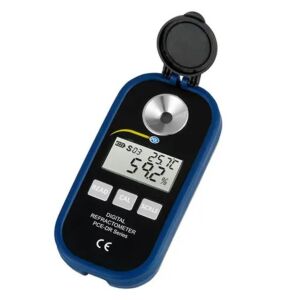
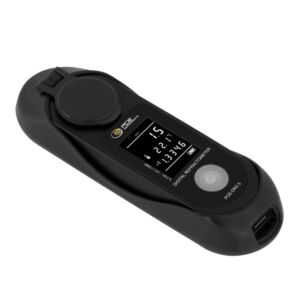
Refractometers measure the refractive index of a substance, often related to the concentration of sugars, salinity, dissolved solids, technical liquids, food solutions or industrial mixtures. They are widely used in food production, oenology, agriculture, chemistry, laboratories, quality control, refrigeration, oils, emulsions and process liquids. A refractometer allows quick and practical checks on a few drops of sample, enabling the technician to verify concentration, dilution, ripening, quality or liquid compliance. In digital models, reading is more immediate and reduces interpretation errors linked to optical scales.
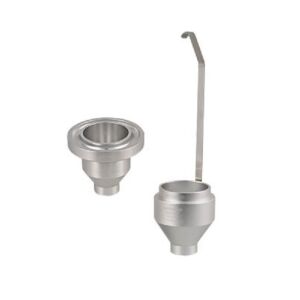
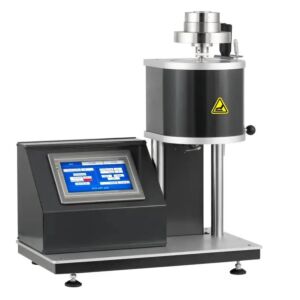
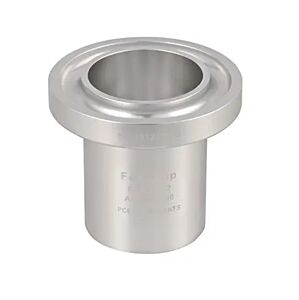
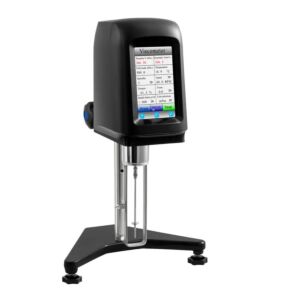
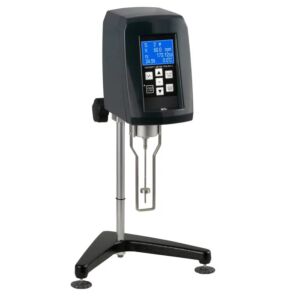
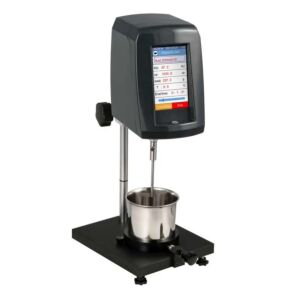
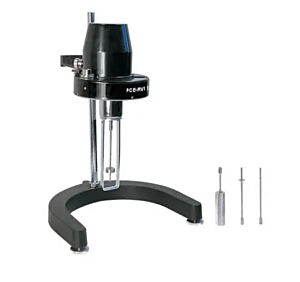
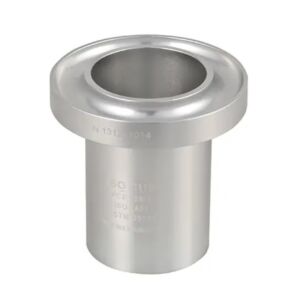
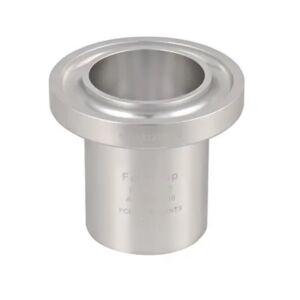
Viscometers measure viscosity, meaning the resistance of a fluid to flow. Viscosity is a fundamental parameter in paints, oils, resins, adhesives, creams, food products, cosmetics, technical fluids, lubricants, polymers, suspensions and process liquids. A fluid that is too viscous may not be pumped, applied, dosed or mixed correctly; a fluid that is too thin may not ensure coverage, adhesion, stability or performance. For this reason, viscosity measurement is essential in production, quality control, research and development, maintenance and process verification. Temperature, composition and shear rate can influence the result, so the test method must always be consistent and repeatable.
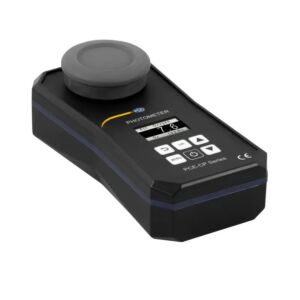
The laboratory instruments in this category complete the area dedicated to substances, including support devices for measurement, preparation, control and sample management. They can be used for tests on liquids, solutions, reagents, materials, mixtures or technical samples. In laboratories, result quality depends not only on the main instrument, but also on sample preparation, accessory cleanliness, temperature, environmental stability and correct execution of the method. Precise measurement requires consistent procedures, suitable instruments and technical interpretation of data.
The correct instrument must be selected according to substance type, parameter to be measured, measuring range, accuracy, resolution, operating temperature, chemical compatibility, ease of cleaning, robustness, calibration capability, data memory, result export and usage context. Accuracy indicates how close the measured value is to the real or reference value, while resolution indicates the smallest variation readable by the instrument. In professional environments both must be evaluated, because an instrument with many decimals does not automatically guarantee correct measurement if the sample is not properly prepared, the probe is not clean or calibration is not adequate.
To obtain reliable results, good operating practices must be followed. The sample must be representative, clean, homogeneous and prepared according to the required method. Probes must be cleaned and stored correctly. Optical instruments must be used with measuring surfaces free from residues. Viscometers must be used with controlled temperature and repeatable method. pH meters must be calibrated with suitable buffer solutions and rinsed after use. Stirrers must be selected according to volume, viscosity and sample type. Hygiene instruments must be used according to the specified timing, swabs and procedures. Incorrect measurement often depends more on the test method than on the instrument itself.
In industrial quality control, the Substances category is important because it allows the verification of parameters that influence the final product. In food products, concentration can modify taste, preservation and stability. In paint or resin, viscosity can affect application, coverage, adhesion and finish. In a technical solution, pH can influence corrosion, chemical reaction or material compatibility. In a sanitation process, hygiene control can prevent contamination. In a laboratory, correct mixing can determine the validity of the analysis. Each instrument therefore contributes to controlling a specific aspect of quality.
In preventive and corrective maintenance, these instruments help identify process variations, contamination, performance loss, fluid degradation, dosing errors, mixing problems, substance changes and non-compliant conditions. A lubricant with altered viscosity may indicate degradation, contamination or incorrect operating temperature. A solution with out-of-range pH may indicate preparation error or contamination. An abnormal refractometer value may indicate incorrect dilution. A non-compliant hygiene check may require revision of the cleaning process. These data help technicians take targeted action.
The connection with heights, transmission backlash, form errors and geometry is indirect but can be highly relevant in industrial applications. The substances controlled by these instruments can influence the behaviour of machines, materials and processes. A coolant with incorrect concentration or pH can worsen machining, increase tool wear, alter workpiece temperature and contribute to form errors or poor finish. Incorrect viscosity of oil, grease, resin, adhesive or paint can affect sliding, lubrication, adhesion, applied thickness, functional clearances and surface uniformity. A fluid that is too thick or too thin can modify dosing, pressure, flow rate and process stability.
In a machine tool or automatic system, the quality of a substance can have practical effects on geometry and operation. Oil with incorrect viscosity can influence guideways, bearings, transmissions, ball screws, friction and play. Incorrectly mixed adhesive or resin can create height differences, uneven thickness, deformation or adhesion problems. Paint with incorrect viscosity can generate irregular thickness and alter support or coupling surfaces. Even though the instruments in the Substances category do not directly measure dimensions, heights or backlash, they help control parameters that can influence dimensional stability, geometry and final quality.
An important practical recommendation is always to define the parameter to be checked before selecting the instrument. If concentration or dissolved solids must be checked, a refractometer is often the most suitable instrument. If flow behaviour or consistency must be checked, a viscometer should be considered. If a uniform solution must be prepared, a stirrer suitable for volume and viscosity is required. If hygiene must be verified, a luminometer can be very useful. If soil or solutions must be analysed, the pH meter should be selected according to measuring range, probe type and operating environment. The correct choice always starts from the real application.
Tadaah presents the Substances category as a technical reference for companies, technicians, engineers, maintenance specialists, laboratories and quality departments that need to analyse, prepare and control samples, liquids, food products, soils, coatings, solutions and process materials professionally. Correct selection of stirrers, food analysers, luminometers, pH meters, refractometers, laboratory instruments and viscometers helps improve measurement quality, reduce errors, prevent non-conformities, optimise processes, document checks and support technical decisions based on real data.