Viscometers are professional instruments designed to measure the viscosity of a fluid, meaning its resistance to flow or deformation during movement. Viscosity is a fundamental technical parameter because it describes the real behavior of liquids, pastes, emulsions, paints, oils, resins, adhesives, food products, cosmetics, detergents, lubricants, industrial fluids and materials used in production processes. A fluid that is too viscous may be difficult to pump, dose, spray, mix or apply; a fluid that is too thin may not provide proper coverage, stability, adhesion, protection or performance during use. For this reason, viscosity control is essential in laboratories, production, quality control and plant maintenance.
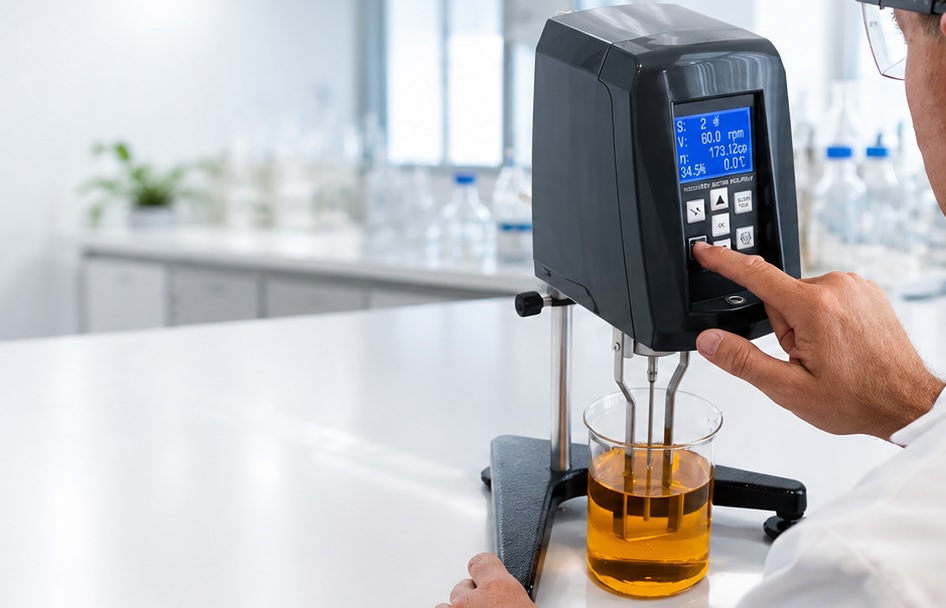
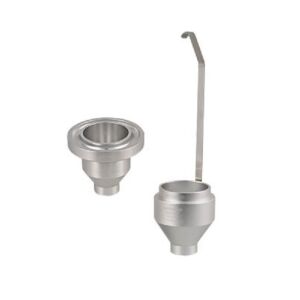
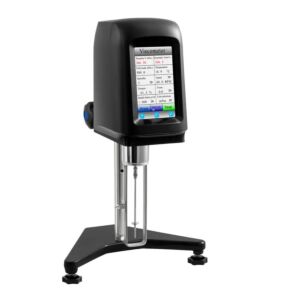
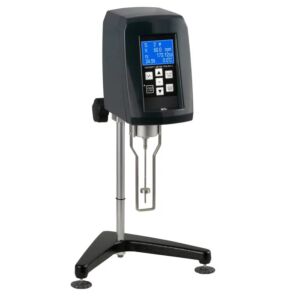
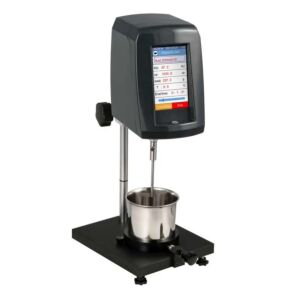
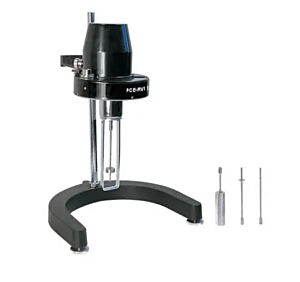
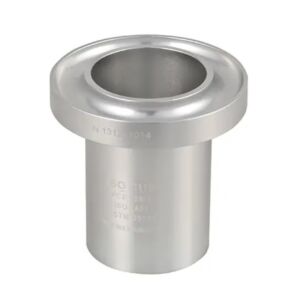
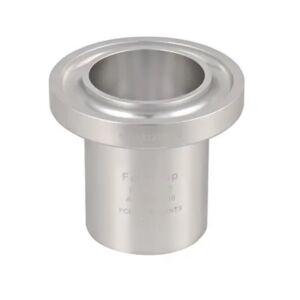
This category includes several types of instruments, such as digital rotational viscometers, laboratory viscometers with interchangeable spindles, instruments for low, medium and high viscosity ranges, flow cups according to DIN or ISO methods, stainless steel accessories and specific systems for rapid testing on liquid samples. Rotational viscometers measure the resistance opposed by the fluid to the rotation of a spindle immersed in the sample. The instrument controls rotational speed and detects the torque required to maintain movement, converting this value into viscosity. Flow cups, on the other hand, measure the time required for a defined volume of liquid to flow through a calibrated orifice; this method is widely used for rapid checks on paints, inks, enamels, lacquers, technical liquids and low or medium viscosity products.
Digital rotational viscometers are suitable when a more complete, adjustable and repeatable measurement is required. They allow different speeds to be selected, different spindles to be used and the test to be adapted to the behavior of the fluid. They are used in quality control laboratories, research and development departments, chemical, cosmetic, food, pharmaceutical, coating and technical fluid production. The possibility of working with interchangeable spindles extends the measuring range and allows the geometry to be adapted to the sample. A very liquid fluid requires different test conditions from a cream, resin, glue or paste. For this reason, correct selection of spindle, speed and sample volume is essential to obtain a reliable value.
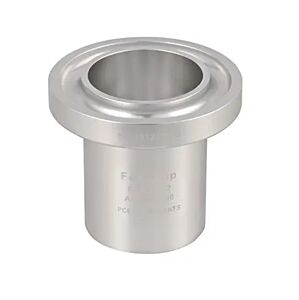
Viscosity cups are simple, robust and very useful instruments for rapid production checks. They are particularly suitable when the objective is to verify product consistency against an internal standard or defined procedure. The measurement is based on flow time: the sample is poured into the cup, the calibrated orifice is opened and the time required for emptying is measured. The value obtained can be used to compare batches, adjust dilution, verify paint preparation or check the stability of technical liquids. Reliable results require a clean cup, an unobstructed and unworn orifice, a homogeneous sample and controlled temperature.
Temperature is one of the most important factors in viscosity measurement. Many fluids become thinner as temperature increases and more viscous as temperature decreases. Even a small variation can significantly change the result, especially with oils, resins, paints, glues, emulsions and food products. For this reason, professional measurements must be performed at a controlled temperature or at least with the sample temperature recorded. More advanced digital viscometers may include probes, compensation functions, temperature display or connection to external control systems. With flow cups, it is good practice to condition both sample and instrument before measurement, avoiding thermal differences between liquid and cup.
Accuracy and resolution are central parameters when choosing a viscometer. Accuracy indicates how close the measured value is to the true or reference value, while resolution indicates the smallest change detectable by the instrument. In quality control, good resolution helps identify minimal variations between batches, formulation changes, dilution errors, product instability or mixing problems. However, measurement quality does not depend only on the instrument: it also depends on sample preparation, temperature, measuring geometry, stabilization time, cleanliness of components and repeatability of the procedure.
Correct use of a rotational viscometer requires attention to instrument position, spindle immersion height, container centering and absence of vibration. The spindle must be immersed according to the specified reference, without touching the bottom or walls of the vessel. Immersion that is too high or too low may change the measured value because it modifies the contact surface between fluid and rotating geometry. The container must also be suitable: a vessel that is too narrow, deformed or not centered can generate wall effects, turbulence or unstable readings. The instrument must be placed on a stable surface, adjusted in height and properly aligned to avoid lateral loads on the spindle.
The concept of transmission backlash is particularly relevant in rotational viscometers. Although it is not a machine tool, the measurement depends on motor stability, absence of abnormal mechanical play, regular rotation and sensitivity of torque detection. A shaft that is not perfectly aligned, a bent spindle, damaged coupling or mechanical vibration may generate unstable and non-repeatable values. For this reason, it is important to periodically check the condition of accessories, avoid impacts on spindles, install interchangeable parts correctly and use the instrument on stable surfaces.
Shape and geometry errors can directly influence the measurement. In rotational viscometers, spindle geometry, distance from the vessel walls, immersion depth, support flatness and container shape determine the flow conditions around the rotating element. A sample containing air bubbles, lumps, undispersed particles or phase separation may provide a non-representative value. In flow cups, the geometry of the calibrated orifice is essential: a worn, dirty or damaged nozzle changes the discharge time. A cup that is not perfectly vertical or an internal surface contaminated by residues can also affect the result. Viscosity measurement therefore requires attention both to the instrument and to the geometry of the sample and test system.
Viscometers are used in many industrial sectors. In paints and coatings, they are used to check paints, enamels, lacquers, primers, inks and spray products, where viscosity affects coverage, atomization, leveling, thickness and surface finish. In the food industry, they are used to control sauces, creams, syrups, oils, beverages, gels, doughs and semi-finished products. In cosmetics, they verify creams, shampoos, gels, lotions and products with specific rheological behavior. In chemical and pharmaceutical industries, they are used for resins, polymers, suspensions, solutions, emulsions and formulated products. In industrial maintenance, they are useful for checking lubricants, oils, hydraulic fluids, coolants and technical mixtures.
In production, a viscometer allows operators to act quickly when a fluid falls outside defined limits. Incorrect viscosity may be caused by wrong temperature, inaccurate dosing, solvent evaporation, contamination, product aging, insufficient mixing or variation in raw material. Measurement therefore makes it possible to adjust dilution, correct formulations, verify batch conformity and prevent problems during application, pumping, filling or packaging. In quality control departments, viscosity data can be recorded and compared over time to ensure traceability and process stability.
To obtain reliable measurements, it is advisable to homogenize the sample before testing, avoid air bubbles, respect stabilization times, clean spindles, cups and accessories carefully after each use and always use the same procedure when comparing different results. When working with non-Newtonian fluids, whose viscosity changes according to shear rate, it is especially important to specify rotational speed, spindle used, temperature and measuring time. Without these data, two measurements may not be comparable even if performed on the same product.
Viscometers are therefore essential professional instruments for companies, technicians, engineers, maintenance operators and laboratories that need to control the quality and behavior of fluids. The availability of digital, rotational, bench, portable models with interchangeable spindles and flow cups makes it possible to select the correct instrument according to process, sample type and required accuracy level. For Tadaah, a category dedicated to viscometers provides a complete technical reference to help professionals and companies choose the most suitable device, improve test repeatability, reduce measurement errors and optimize industrial and laboratory process control.