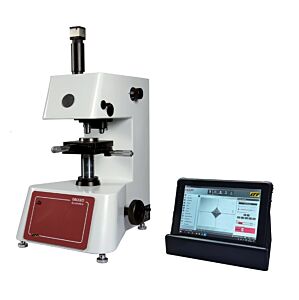
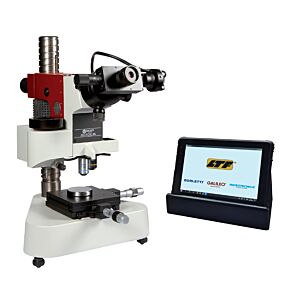
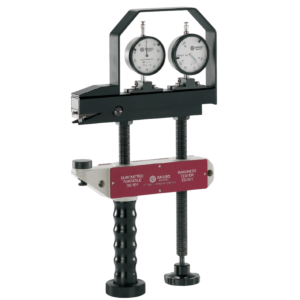
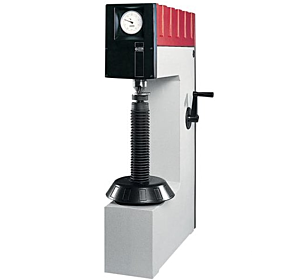
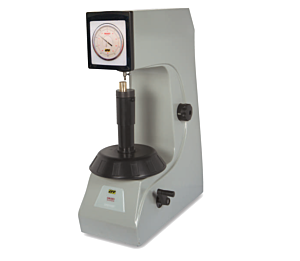
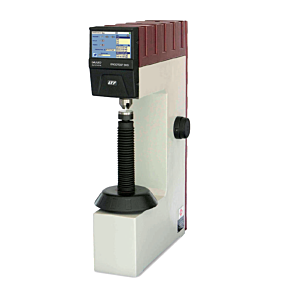
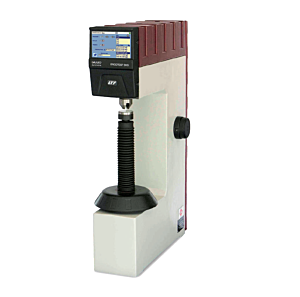
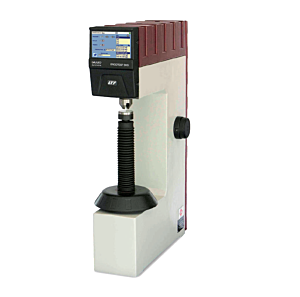
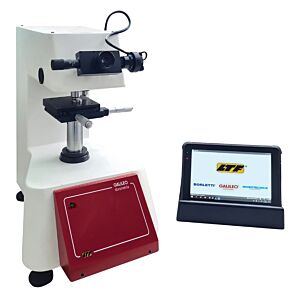
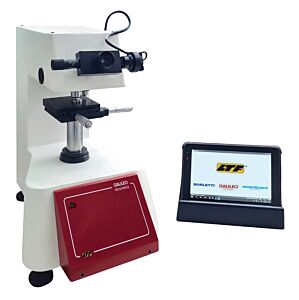
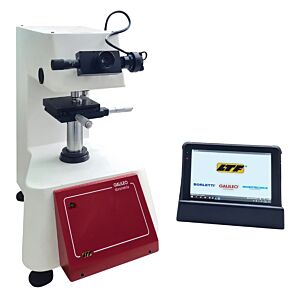
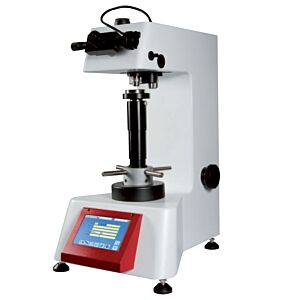
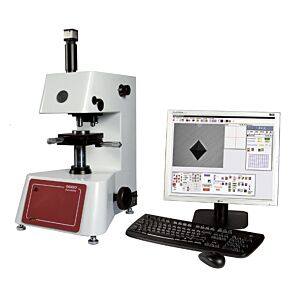
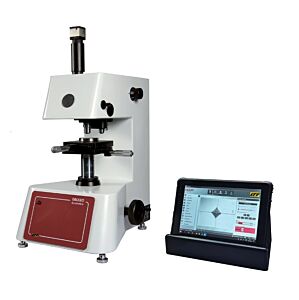
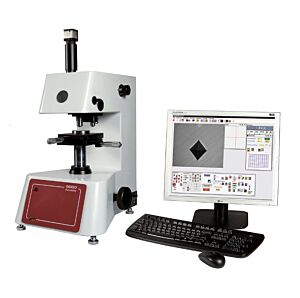
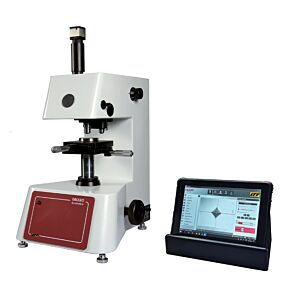
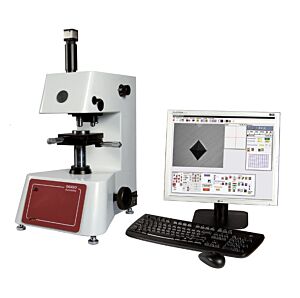
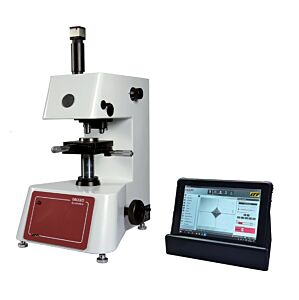
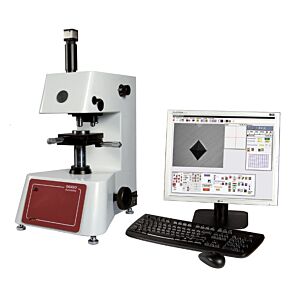
Galileo Durometria specializes in advanced hardness testing equipment, offering both digital and analogue testers for various materials. Their Ergotest series, particularly the DIGI models, feature modern software that automates and controls the hardness testing process, making them suitable for a wide range of professional applications.
These devices are capable of performing Rockwell hardness tests and, in certain models, also support Brinell and Vickers tests. The Ergotest DIGI models feature an intuitive user interface with a color touchscreen, ergonomic load selection, and the ability to save test data for further analysis via USB or LAN connections. Additionally, they support converting results between different hardness scales and may include features such as automatic load application and result verification against standard values.
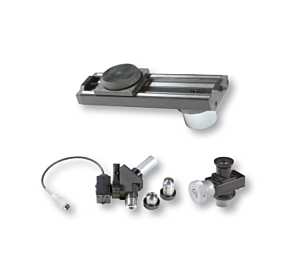
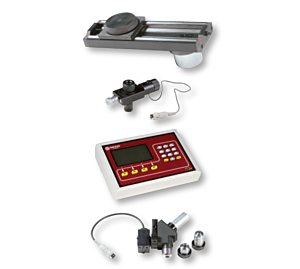
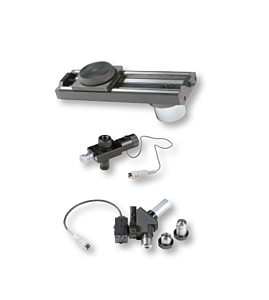
Certain models offer optional accessories like digital microscopes for measuring Brinell and Vickers indentations, enhancing the accuracy of material hardness evaluations.
Galileo Durometria is renowned for combining reliability, user-friendliness, and cutting-edge technology, making it a solid choice for industries requiring precise hardness testing.
Hardness testers measure the hardness of ferrous materials and steel. Measurements are performed using spherical or pyramidal diamond tips. By applying pressure with a lever or crank, the diamond tip indents the surface of the material, leaving a mark. The depth and size of the indentation are evaluated using hardness scales like Brinell, Vickers, or Rockwell, determining the material's hardness. Application: The surface to be tested must have a stable base, good support, and proper surface roughness, typically ground.
Brinell Hardness: This test uses a spherical tip to create an indentation. The hardness value is derived from the average of two diameters measured at 90° from each other. This method is most effective for softer materials, as the reliable Brinell hardness limit is HBW650. The conversion ratio between Brinell and Vickers is 0.945 (e.g., 200HV = 190HB, calculated as 200HV × 0.945 = 190HB).
Vickers Hardness: This test employs a square-based pyramidal diamond tip with a 22° angle, leaving a square indentation. The result is calculated as the average of the two diagonal measurements of the indentation. The load-to-HV unit ratio is 1:1 (e.g., HV30 = 30kg). Vickers is suitable for all hardness levels, as the pyramidal tip design facilitates penetration on the surface.
Materials measurable with Vickers hardness:
| Material |
Gold |
Silver |
Iron |
Platinum |
Annealed copper |
Malleabilized cast iron |
Ductile cast iron |
Common steel |
Carbon steel |
| Hardness Vickers |
22 |
24 |
30 - 80 |
41 |
47 |
120 - 260 |
145 - 280 |
120 - 160 |
55 - 120 |
| Material |
Stainless steel |
Tool steel |
Nitrided steel |
Beryllium bronze |
Iridium |
Osmium |
Boron |
Diamond |
| Hardness Vickers |
140 - 180 |
690 - 840 |
900 - 1160 |
150 - 440 |
220 |
350 |
2.500 |
8.400 |
Rockwell Hardness: Both spherical tips (HRB) and pyramidal tips (HRC, HRD) are used, with the most commonly used being Rockwell HRC, primarily for measuring the hardness of tempered steels. The correlation between Vickers hardness (HV) and Rockwell hardness (HRC) is not straightforward, and there is no exact proportional relationship between the two hardness scales. Therefore, we recommend using online hardness converters.
For reference, 10 HRC corresponds to 196 HV, and 60 HRC equals 697 HV.
In conclusion, Vickers hardness is the most versatile as it can be applied across a wide measurement range, as shown in the table below. Rockwell HRC, on the other hand, is mainly used for measuring the hardness of quenched and tempered steels.
The measurement of hardness and tensile strength of materials is particularly relevant for civil and mechanical engineering studies, helping in the selection of materials for the construction of bridges, buildings, and machinery.